Home / ENT Conditions / Snoring & Sleep Apnea
Sleep Condition

Snoring & Sleep Apnea — more than a noisy night.

Snoring is common; obstructive sleep apnea (OSA) — the repeated stopping and starting of breathing during sleep — is a serious condition with consequences that reach well beyond a tired morning. It is increasingly diagnosed and very treatable once identified.

Medical name Obstructive Sleep Apnea
Category Sleep Condition
Common treatment CPAP · Surgery
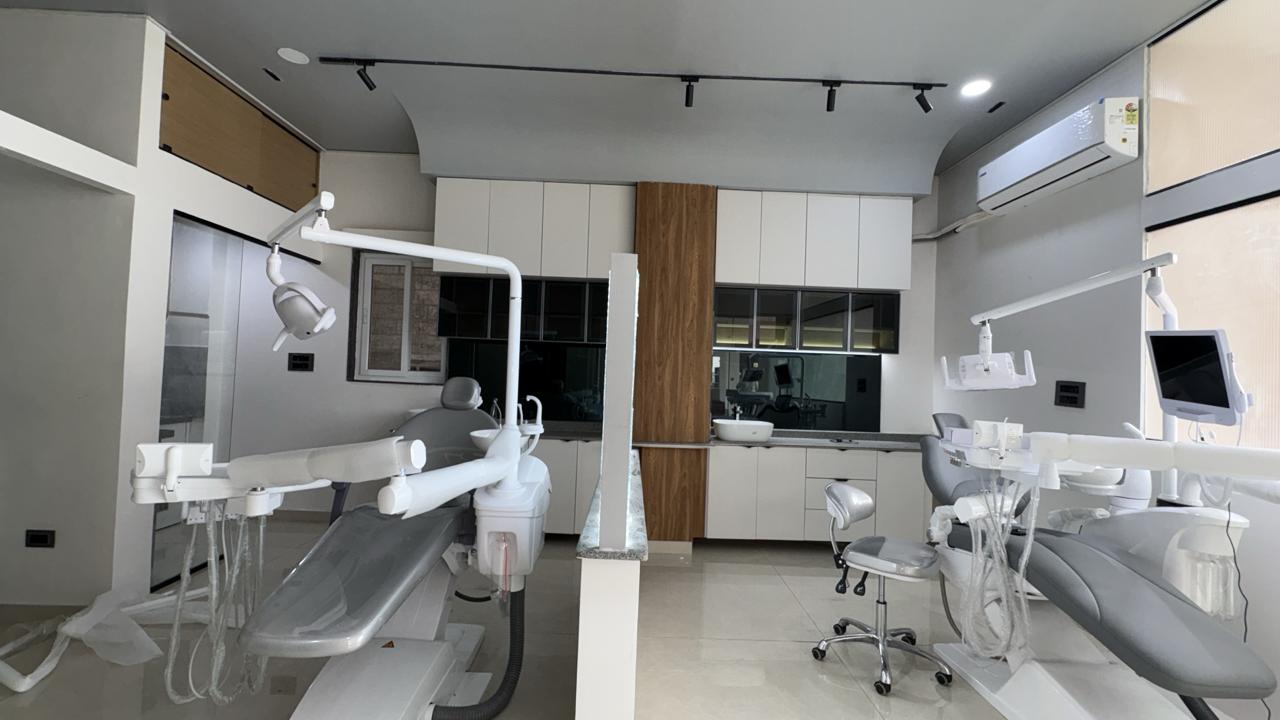
In-clinic Snoring & Sleep Apnea care Sleep Condition · Dr. Naseer's ENT

Overview

In OSA the airway collapses repeatedly during sleep. The brain rouses briefly to restart breathing — often unnoticed by the sleeper — disturbing sleep architecture and dropping oxygen saturation. Untreated, it is linked to high blood pressure, heart disease, stroke, and diabetes.

Not all loud snoring is OSA, but a partner's report of pauses or gasping should never be ignored. Diagnosis is straightforward with a home or in-lab sleep study; treatment is staged from lifestyle through CPAP to surgery.

Symptoms

  • Loud, persistent snoring (often heard from another room)
  • A bed partner reporting pauses in breathing or gasping
  • Waking with a dry mouth, sore throat, or headache
  • Daytime sleepiness — falling asleep at meetings or while driving
  • Difficulty concentrating, low mood, or weight gain

Common Causes

  • Overweight or obesity with neck circumference increase
  • Enlarged tonsils or adenoids (especially in children)
  • Nasal obstruction — septum, polyps, allergic rhinitis
  • A relatively small or set-back lower jaw
  • Alcohol or sedative use, particularly in the evening

Treatment Options

  • Lifestyle measures — weight, sleep position, alcohol, smoking
  • CPAP therapy — the gold standard for moderate-to-severe OSA
  • Mandibular advancement devices for mild-to-moderate OSA
  • Surgery to relieve nasal obstruction (septoplasty, turbinate reduction)
  • UPPP, tonsillectomy, or selected palatal procedures for snoring

When to See an ENT

A bed partner's description of pauses in breathing or gasping, daily morning headaches, or daytime sleepiness severe enough to affect driving, are all clear reasons to be assessed. Children with loud snoring and disturbed sleep should also be evaluated — paediatric OSA is more common than people think.

At Dr. Naseer's ENT, we arrange a sleep study where appropriate and walk you through the staircase of options — most patients improve dramatically once the right step is identified.
Concerned about Snoring & Sleep Apnea? Let's talk.