Overview
The implant has two parts: an internal device placed surgically under the skin behind the ear with an electrode array threaded into the cochlea, and an external speech processor worn behind the ear that picks up sound and transmits it across the skin to the implant.
Outcomes depend on age at implantation, duration of deafness, and consistent rehabilitation. Children implanted early often develop near-normal spoken language; adults who lost hearing later in life typically regain conversational hearing.
When This Surgery Is Recommended
- Severe-to-profound sensorineural hearing loss in both ears
- Limited benefit from properly fitted hearing aids
- Children with congenital deafness (ideally before age 2)
- Adults with progressive hearing loss who have plateaued on aids
- Sudden profound hearing loss not recovering with medical treatment
The Procedure
A precise microsurgical procedure under general anaesthesia. Both adult and paediatric cochlear implantation are well-established.
- Pre-operative imaging confirms cochlear anatomy and nerve viability
- A small incision is made behind the ear and the bone shaped for the implant
- A mastoidectomy is performed to access the inner ear
- The electrode array is gently advanced into the cochlea
- The internal device is secured in place under the skin
- The incision is closed; the device stays silent until activation
Pre-Surgery Preparations
- Pneumococcal vaccination completed at least 2 weeks before surgery
- Pre-operative CT and MRI of the inner ear and brain reviewed
- Detailed audiology and speech baseline assessment in the same visit
- Fast 6–8 hours pre-op
- Hair clipped behind the ear; meticulous skin preparation
- Pre-op counselling about the post-activation rehabilitation programme
Post-Surgery Recovery
- One night in hospital after surgery
- Stitches removed at 7–10 days; dressing for 5 days
- Device activation typically at 3–4 weeks post-surgery
- Weekly mapping sessions for the first 2–3 months
- Long-term audiological rehabilitation programme
Follow-up Schedule
- Day 1 — dressing check, wound monitoring, discharge planning
- Week 1 — stitches removed, healing confirmed
- Week 3–4 — external device activation and first mapping session
- Weekly for 8 weeks — progressive mapping sessions with the audiologist
- 6 months — structured listening and language review
Potential Complications
- Device failure (rare; covered by manufacturer warranty)
- Loss of any residual natural hearing in the implanted ear
- Tinnitus or balance disturbance in the early weeks
- Wound healing problems in a very small number of cases
- Initial sound quality is unusual — the brain adapts over weeks to months
At Dr. Naseer's ENT, we walk you through the entire pathway — candidacy assessment, choice of device, surgery, activation, and the rehabilitation that turns electric signals into language.
Why Have It Here
Cochlear implantation needs a coordinated team — surgical, audiological, and rehabilitation — and excellent counselling about expectations. We work with families to plan candidacy, surgery, and the months of mapping that turn the device into useful hearing.
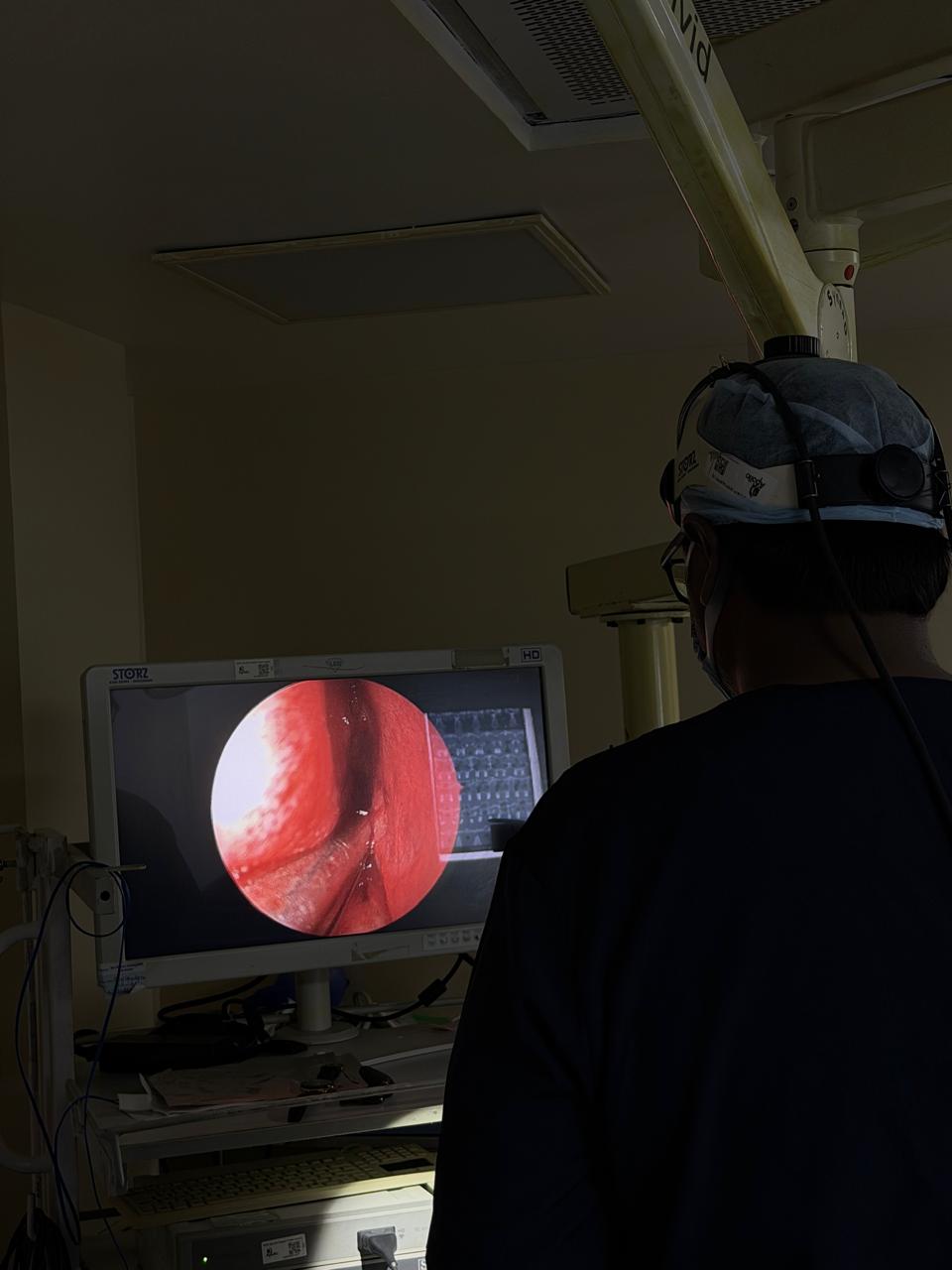 In-house surgical practice · Dr. Naseer's ENT