Overview
Recurrent tonsillitis — many episodes a year, with school or work missed — meets a well-recognised clinical threshold for surgery. Tonsillectomy reliably eliminates these episodes from that point onwards, and the difference in quality of life over the following year is usually substantial.
In children with obstructive sleep apnea, tonsillectomy combined with adenoidectomy is the most effective single intervention — it is the first-line treatment guideline-recommended in this group.
When This Surgery Is Recommended
- Recurrent acute tonsillitis (commonly: 7 in 1 year, 5/year for 2, or 3/year for 3 years)
- Obstructive sleep apnea or significant sleep-disordered breathing
- Quinsy (peritonsillar abscess), particularly if recurrent
- Persistent halitosis from deep tonsillar crypts in adults
- Suspected tonsil tumour (rare)
The Procedure
Done under general anaesthesia through the open mouth. Coblation technique is used where available, with conventional cold dissection or diathermy as alternatives.
- The child or adult is asleep under general anaesthesia
- A mouth gag holds the mouth open and tongue down
- Each tonsil is identified and dissected from its surrounding tissue
- Coblation seals small blood vessels as it cuts, reducing bleeding
- No external incision; no stitches usually
Pre-Surgery Preparations
- Fast 6 hours pre-op
- Stop NSAIDs (especially aspirin) at least 7 days before surgery
- Inform the team about any sore throat or fever in the past week
- Stop blood thinners with cardiology clearance
- Stock soft, cool foods (ice cream, yogurt, broth) at home in advance
- Plan 10–14 days off school or work
Post-Surgery Recovery
- Same day or one overnight stay
- Sore throat for 7–10 days — paracetamol round-the-clock for the first few days
- Cool, soft food and lots of fluids
- Some referred pain into the ears around days 4–7 is normal
- Children back to school in 10–14 days; adults need 2 weeks off work
Follow-up Schedule
- Day 1 — discharge after observation; pain plan reviewed in detail
- Day 7 — clinic visit for healing of the tonsillar beds
- Week 3 — clearance to return to normal diet and activity
- Week 6 — final review if any concerns persist
Potential Complications
- Post-operative bleed in 2–5% (more common in adults than children)
- Pain that limits eating for the first week
- Mild voice change for a few weeks
- Risk of dehydration if fluid intake is poor in the first days
- Very small risk of altered taste
At Dr. Naseer's ENT, we use coblation tonsillectomy where appropriate — patients are usually eating soft food within 24 hours and back to normal life inside two weeks.
Why Have It Here
Coblation tonsillectomy has changed the post-operative experience meaningfully — patients eat sooner, miss less work, and bleed less than with older techniques. We discuss whether your case meets the threshold for surgery rather than treating each episode in turn.
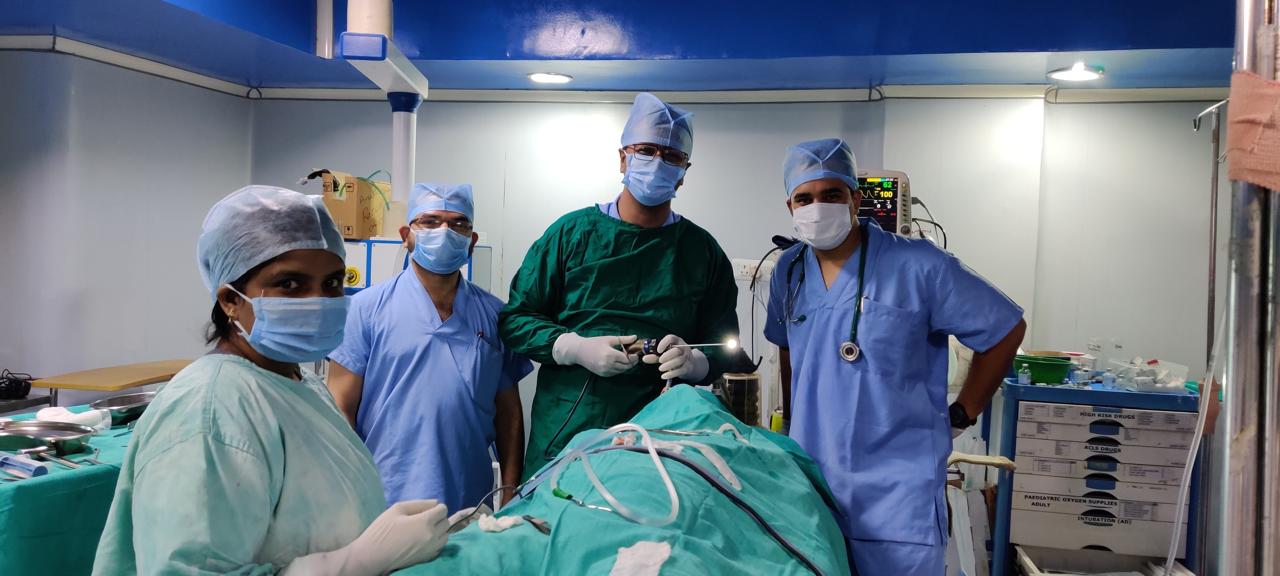 In-house surgical practice · Dr. Naseer's ENT